
Which Benzophenone Products Are Offered in the Benzophenone Series?
2026.10.23


2-Amino-5-chlorobenzophenone (CAS 719-59-5) occupies a central position in Reaction's benzophenone series as a specialized pharmaceutical intermediate. Its primary value lies in benzodiazepine synthesis: the compound provides the aromatic foundation from which several established active pharmaceutical ingredients are constructed. Rather than being used as a finished drug, it is supplied to pharmaceutical manufacturers and process development teams that require consistent purity, reproducible reaction pathways, and efficient route design at scale.
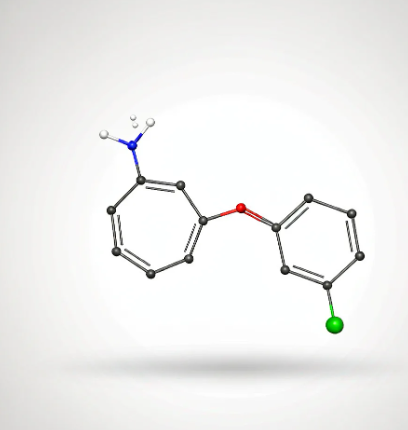
The usefulness of this compound begins with its structure. A primary amino group at the 2-position and a chlorine substituent at the 5-position of the benzophenone framework create a well-defined functional pattern: the amino group participates directly in the ring-forming reactions that build the benzodiazepine core, while the chloro substituent is carried through to the 7-position of the final diazepine ring — the position associated with the characteristic central nervous system activity of this drug class.
Because downstream cyclization and ring-expansion steps are sensitive to positional isomers, the regiochemical purity of the starting intermediate has a direct influence on API quality. Even a high nominal assay can hide an elevated 2-amino-4-chlorobenzophenone isomer that interferes during subsequent steps. For process chemists, this makes 2-amino-5-chlorobenzophenone a dependable structural foundation: precise aromatic functionalization is built in from the first step, not corrected later in the sequence. This structural logic is the same reasoning that carried the first benzodiazepines from bench to clinic in the 1950s, and it remains the basis of modern routes today.
Within Reaction's benzophenone portfolio, this intermediate functions as a specialized building block for manufacturing five widely recognized benzodiazepine APIs — chlordiazepoxide, diazepam, oxazepam, lorazepam, and estazolam. These medicines are used in therapeutic areas such as anxiety, sedation, muscle relaxation, and seizure control, although final use always depends on regulatory approval and formulation.
| API | Primary therapeutic area | Typical role in therapy |
|---|---|---|
| Chlordiazepoxide | Anxiety, alcohol withdrawal | First clinically used benzodiazepine; sedative and anxiolytic |
| Diazepam | Anxiety, muscle spasm, seizure control | Broad-spectrum anxiolytic, muscle relaxant, and anticonvulsant |
| Oxazepam | Anxiety, alcohol withdrawal | Short-acting anxiolytic, often used in tapering regimens |
| Lorazepam | Anxiety, status epilepticus, procedural sedation | Potent, relatively short-acting anxiolytic |
| Estazolam | Insomnia | Sedative-hypnotic for short-term sleep induction |
The breadth of this list is what makes the intermediate strategically important. A single, well-characterized starting material feeds multiple drug substances, allowing manufacturers to consolidate sourcing, share analytical methods, and streamline quality systems across product lines. Related benzophenone derivatives in the same series — such as the N-methyl and dichloro analogs — extend the platform to adjacent synthetic routes, but 2-amino-5-chlorobenzophenone remains the common entry point for the classic benzodiazepine sequences that produced this drug class.
From a manufacturing perspective, buyers value this compound less for what it is than for how it behaves in the reactor. Three characteristics stand out:
For API producers and research teams developing downstream compounds where precise aromatic functionalization is required, these properties translate into lower process risk, cleaner scale-up, and fewer surprises during technology transfer.
As a fine chemical, 2-amino-5-chlorobenzophenone is typically supplied for pharmaceutical synthesis and further processing rather than direct clinical use. Global buyers treat it as a strategically important line item within the benzophenone portfolio: reliable availability supports supply continuity, qualified sourcing protects against disruption, and scalable production capacity becomes essential when a downstream API moves from pilot to commercial volumes.
Reaction positions this product as part of an integrated benzophenone series, so customers can secure the starting intermediate together with its related derivatives through a coordinated supply relationship rather than fragmented spot purchases. This structure helps customers maintain continuity, support scale-up, and optimize downstream benzodiazepine manufacturing.
When evaluating a supplier for this intermediate, procurement teams typically look beyond unit price: confirmed production capacity, documented impurity profiles, barrier packaging standards, cold-chain or temperature-controlled logistics options, and the ability to support regulatory documentation all weigh on total cost of ownership. A supplier that treats the benzophenone series as a portfolio — with consistent quality systems across products — reduces the coordination burden on the buyer and shortens the path from purchase order to qualified incoming material.
Because the amino and chloro functional groups make the compound susceptible to hydrolytic degradation, buyers should verify the water vapor barrier properties of the packaging and specify individual HPLC limits for positional isomers rather than relying on total purity alone. Active temperature logging during transit and climate-controlled warehouse storage help preserve assay between delivery and use. A complete certificate of analysis, consistent lot-to-lot data, and validated analytical methods are the practical safeguards that keep downstream synthesis on specification.
Suppliers generally characterize the material as follows, although buyers should always confirm specifications against their own validated methods:
| Property | Specification |
|---|---|
| CAS number | 719-59-5 |
| Molecular formula | C13H10ClNO |
| Molecular weight | 231.68 |
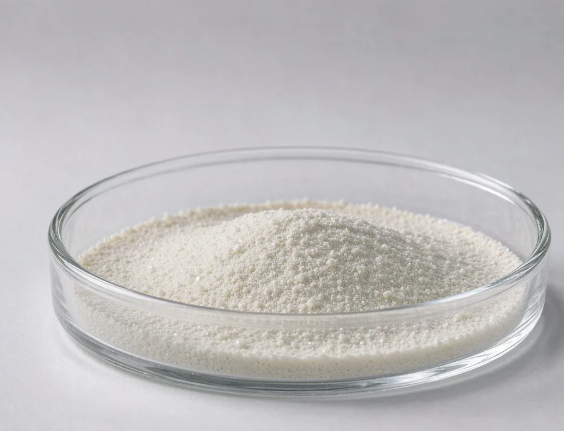
| Appearance | Off-white to light-yellow crystalline powder |
| Typical assay | ≥ 99.0% (HPLC) |
The primary uses of 2-amino-5-chlorobenzophenone are best understood through the drug substances it makes possible. As a key intermediate for chlordiazepoxide, diazepam, oxazepam, lorazepam, and estazolam, it underpins several established therapies in anxiety, sedation, muscle relaxation, and seizure control. Its reliable substitution pattern, documented reaction chemistry, and position within a broader benzophenone portfolio make it a practical choice for process chemists and pharmaceutical producers seeking consistent purity, reproducible pathways, and efficient scale-up. For global buyers and partners, the compound represents a strategically important fine chemical: supplied for pharmaceutical synthesis and further processing, it remains one of the most consequential building blocks in the benzodiazepine manufacturing chain.
The company’s infrastructure is fully completed, featuring two production workshops, one Class A warehouse, one Class B warehouse, and two Class C warehouses.

The company is a high-tech enterprise primarily focused on international markets.


Add: Development Road 2, New District, Changjiang Saifu Industrial Park, Changjiang Office, Yingjiang City, Hubei Province, China
Add: 11#, Wuhuan Road, Cihui Street, Xihu District, Wuhan, China, 430040
Contact: Mr Liao
Mobile: +86-13795397680
Tel: +86-712-3188051